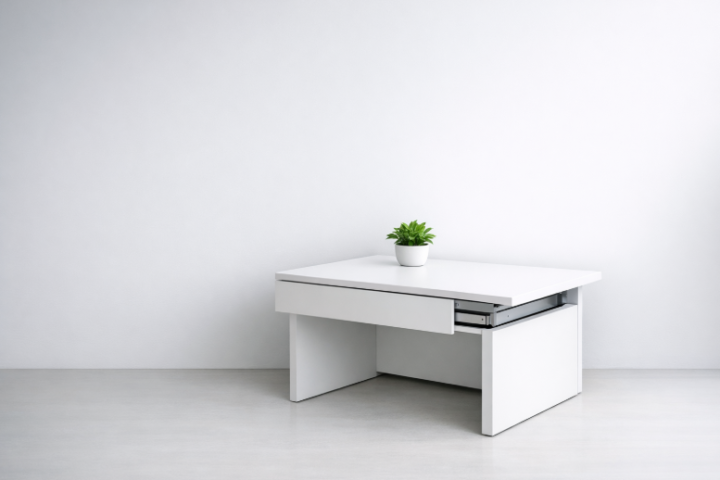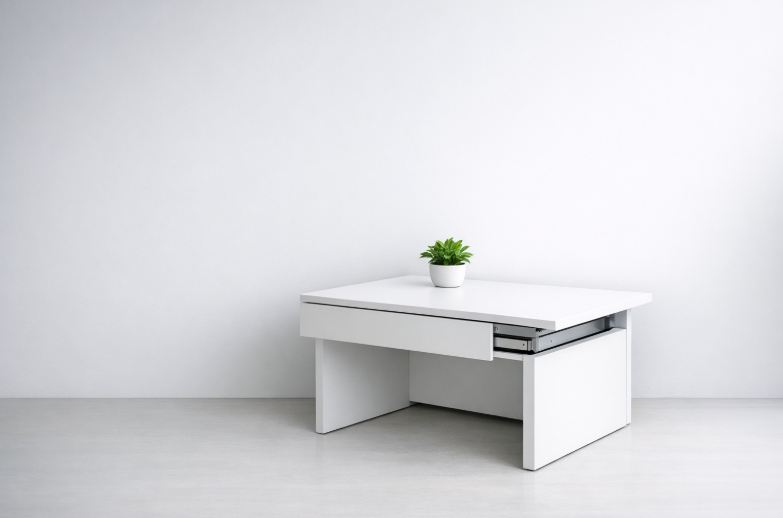
Multifunctional furniture is revolutionising the way we think about interior design, offering solutions that cater to modern lifestyle demands. With urban living spaces becoming more compact, the need for versatile, space-saving pieces has never been greater. As we move forward, these innovative designs are set to play a pivotal role in shaping the future of interior aesthetics.
In recent years, multifunctional furniture has become an essential component of modern homes. This trend has emerged as people seek to make the most of limited space in urban environments. By incorporating pieces that serve multiple purposes, homeowners can enjoy both functionality and style without compromise. This approach is not only practical but also aligns with contemporary design philosophies that emphasise efficiency and minimalism. For instance, a TV Bed can combine the comfort of a bed with the entertainment of a television, saving space and enhancing the bedroom experience.
Exploring the range of multifunctional furniture types available
Various types of multifunctional furniture have made their way into the market, catering to diverse needs and preferences. Convertible tables, for example, can transform from dining surfaces to workspace areas with ease. Modular sofas are another popular choice, allowing users to reconfigure seating arrangements according to their requirements. These pieces are designed to maximise space while providing versatile solutions for different living environments.
The ability to adapt furniture pieces to suit changing circumstances is a key selling point for many consumers. Multifunctional furniture often includes innovative features such as hidden storage compartments or foldable components that enhance usability. This adaptability makes it easier for homeowners to create dynamic spaces that can accommodate various activities without cluttering their living areas.
The influence of multifunctional designs on contemporary interiors
As multifunctional furniture gains popularity, its impact on interior design trends becomes increasingly evident. These designs encourage a shift towards more open and flexible layouts that prioritise practicality alongside aesthetic appeal. Designers are now tasked with finding ways to seamlessly integrate these elements into existing decor while maintaining visual harmony.
The balance between form and function is crucial when it comes to incorporating multifunctional pieces into modern interiors. These items must not only look good but also offer tangible benefits such as space-saving capabilities or enhanced functionality. As a result, they often become focal points within a room, drawing attention through their innovative design and clever use of materials.
Advantages of choosing multifunctional furniture for your home
There are numerous benefits associated with opting for multifunctional furniture in your home. Chief among these is the ability to save space without sacrificing comfort or style. By investing in pieces that serve multiple purposes, homeowners can reduce clutter and maintain a clean, organised environment. These designs also offer cost-effective solutions by eliminating the need for additional items.
Another advantage is the flexibility offered by these versatile designs. They can be easily adapted to suit different room layouts and personal preferences, making them ideal for those who frequently change their living arrangements. Additionally, multifunctional furniture often boasts enhanced durability due to its robust construction and thoughtful engineering.
Keep an eye for more latest news & updates on Daily Uk!